
The story begins in 1999. Janiv Levy, then a marine biology student, found a severely injured loggerhead sea turtle on the beach, entangled in a fishing hook. He named her “Masal”—Hebrew for “luck.” Her successful rehabilitation was the starting point for a temporary rescue center made of shipping containers, which Levy established in cooperation with the Israel Nature and Parks Authority.
Today, some 30 million shekels (approximately eight million euros) later, the new center boasts operating rooms, intensive care units, and large saltwater pools for the rehabilitation of injured animals. A team of ten specialists provides medical care, conducts research, and protects nesting turtles. They are supported by around 100 volunteers. Janiv Levy is the station’s research director.
A Globally Unique Breeding Station
A unique feature is the world’s only breeding station for green sea turtles. While there are fewer than 20 comparable rescue centers worldwide, none pursues such a systematic breeding program. As early as 2002, Levy began establishing a local breeding group from juvenile turtles on the Israeli Mediterranean coast. The approach was deliberately long-term, as sea turtles only reach sexual maturity after 20 to 30 years.
The group now comprises around 30 animals. In the past four years, more than 1,300 eggs have been laid. The scientific findings obtained from this are of global significance. More than 20 research projects are currently underway in cooperation with Israeli and international universities. Scientists are investigating, among other things, genetic factors, hormonal cycles, and environmental pollution. For example, analyses have shown that heavy metal residues are significantly higher in the eastern Mediterranean than in other regions of the world.
An Endangered Species
The threat to sea turtles is real. Historical overfishing, plastic waste, discarded nets, ship propellers, and pollution are taking a heavy toll on the animals. Last year alone, 176 turtles were taken in at Michmoret, most of them injured by plastic or fishing gear. Eighty-five were successfully treated and released back into the sea.
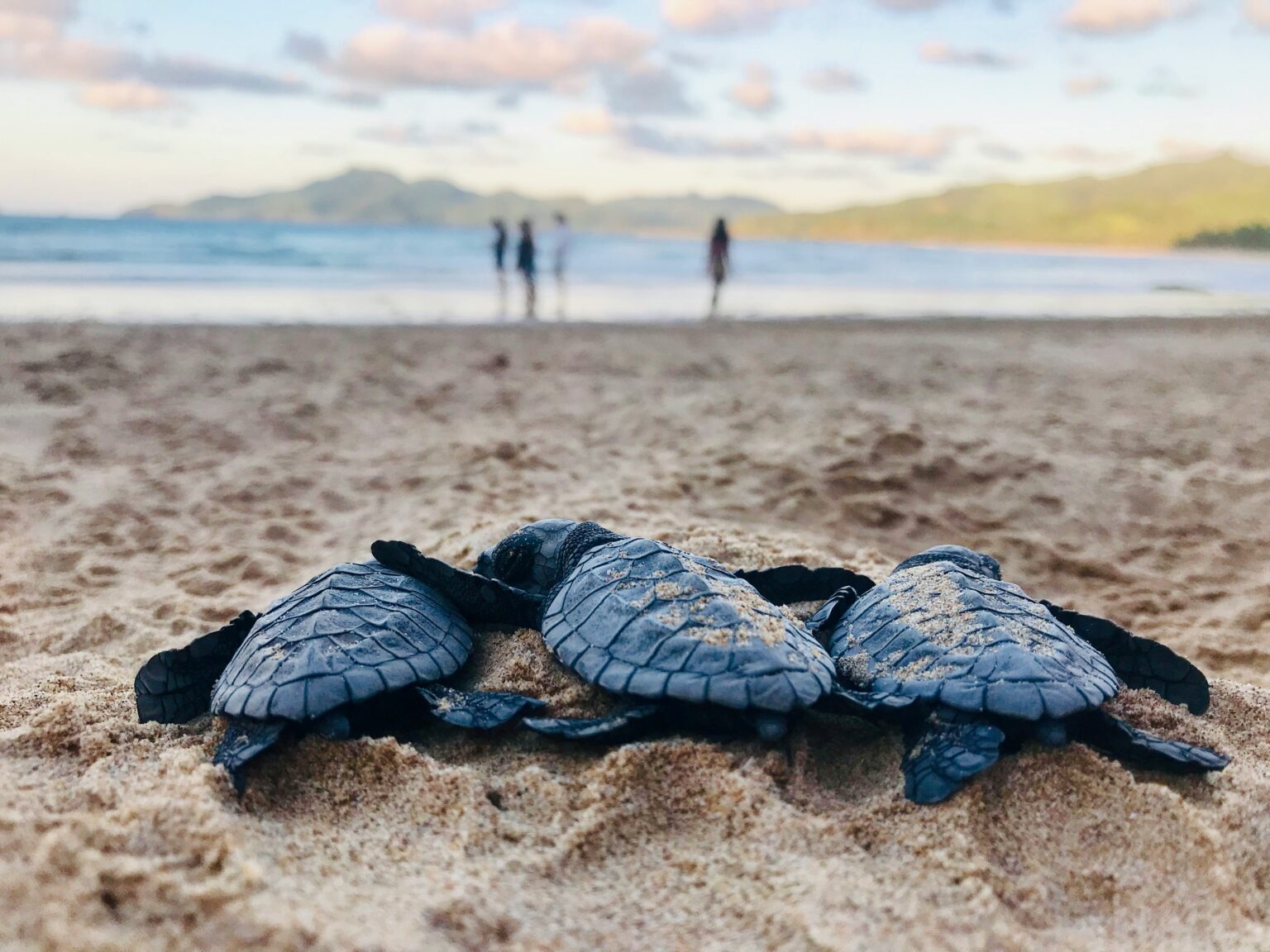
Another focus is on protecting nests along the Israeli coast. During the breeding season, volunteers secure the nests, relocate them to protected areas if necessary, and monitor the hatching of the young turtles. Around 28,000 baby turtles made their way to the Mediterranean last year, but only about one in a thousand reaches adulthood.
Public Access Aims to Raise Awareness
For the first time, the center is now open to visitors. Guided tours offer insights into the medical work, research, and the dangers facing sea turtles. The focus is not on spectacle, but on education. Plastic waste, climate change, and marine pollution are addressed in an engaging way.
What once began with a single injured turtle has, according to the center, become a national symbol of practical nature conservation. The project sets an example for biodiversity, scientific innovation, and responsibility towards the oceans.